
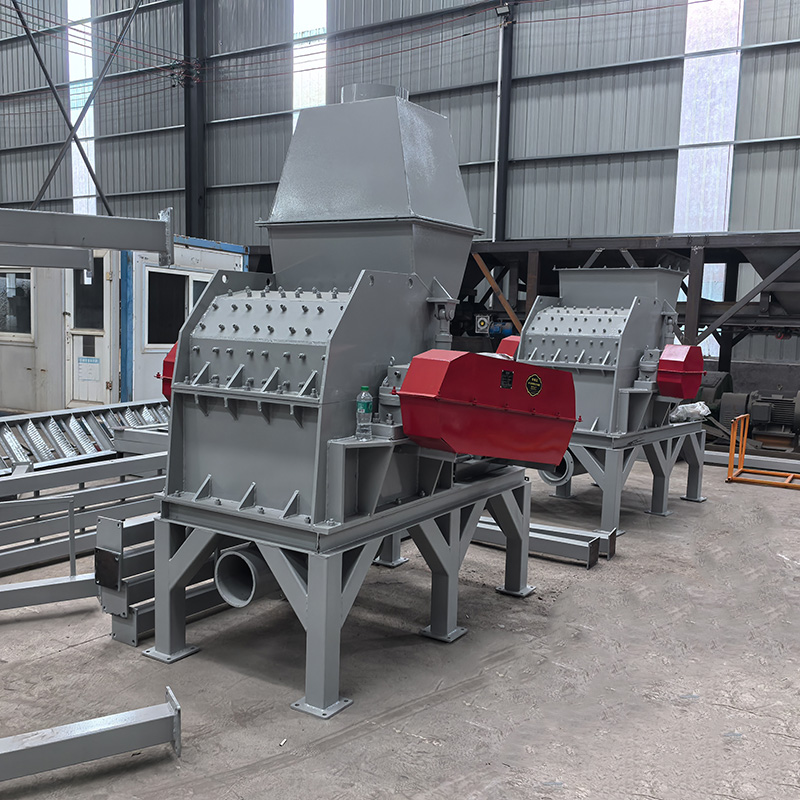
Parameter
| Model | Power (kW) | Weight (kg) | Dimension (m) | Capacity (kg/h) |
|---|---|---|---|---|
| 500 | 95 | 200000 | 2565 | 400-500 |
| 1000 | 195 | 400000 | 3588 | 800-1000 |
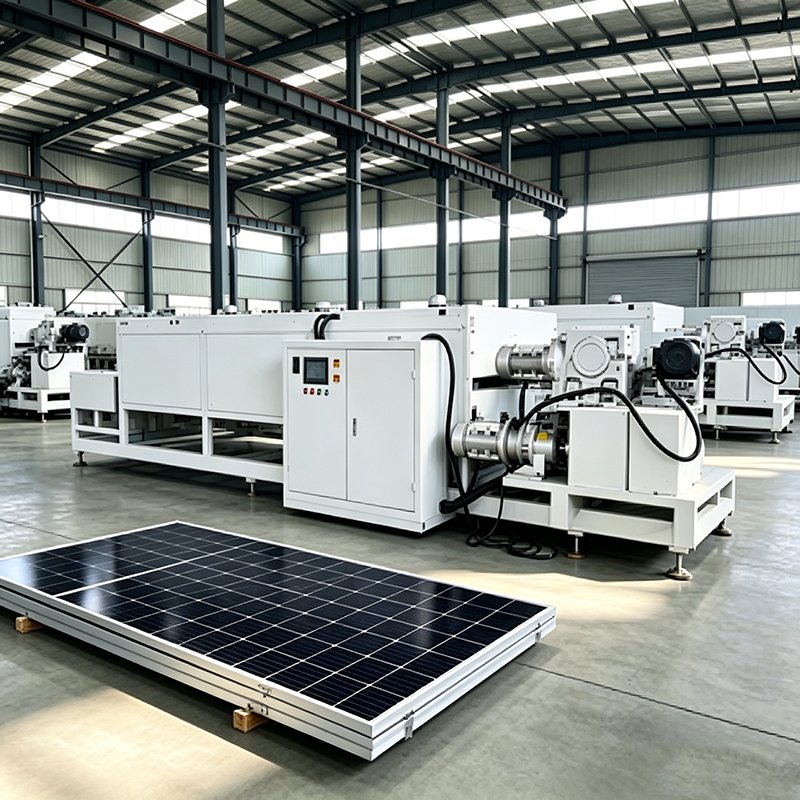
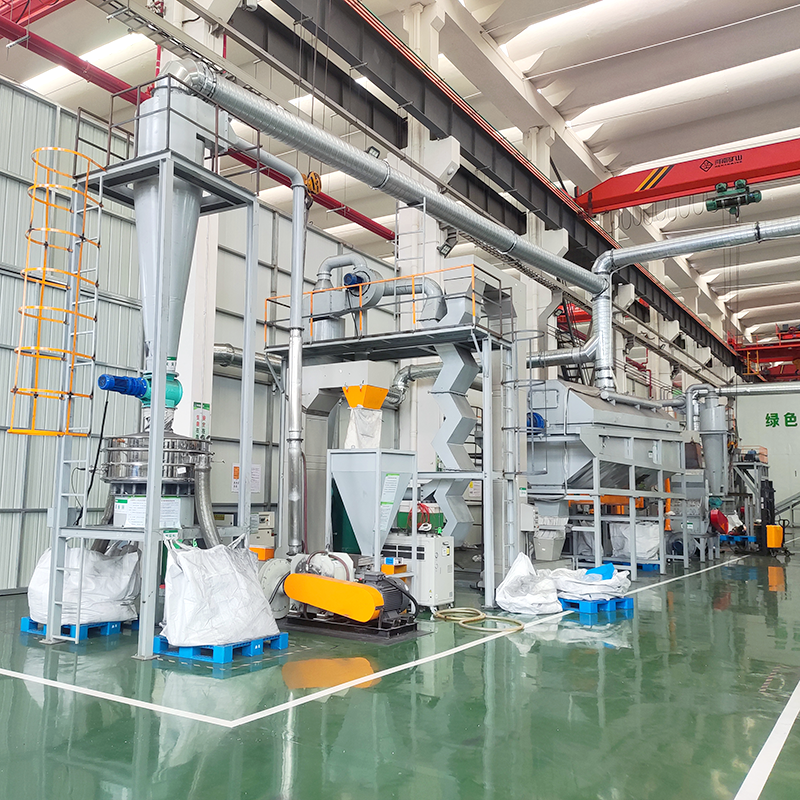
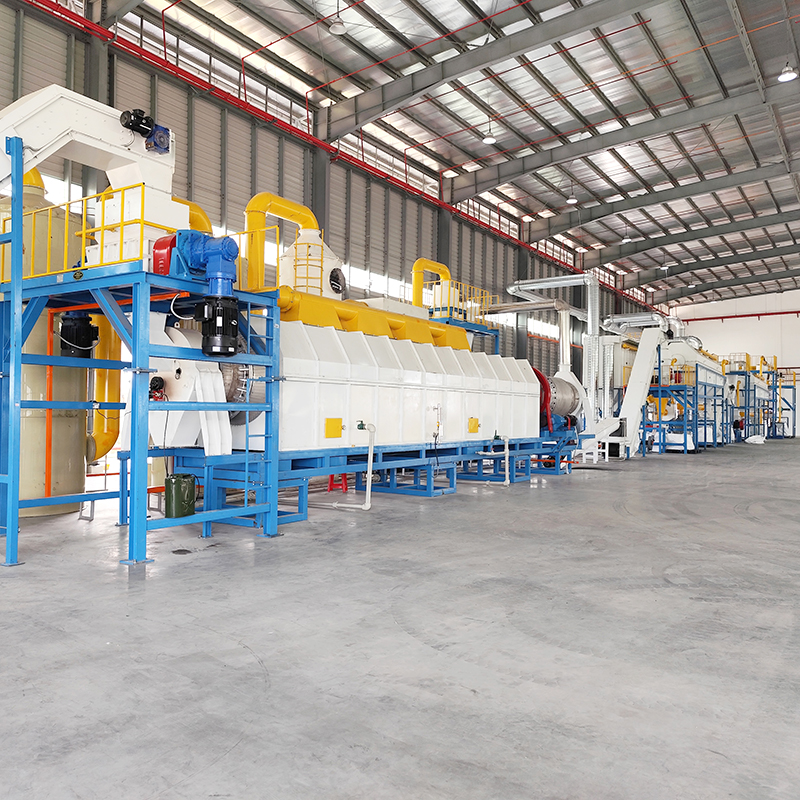
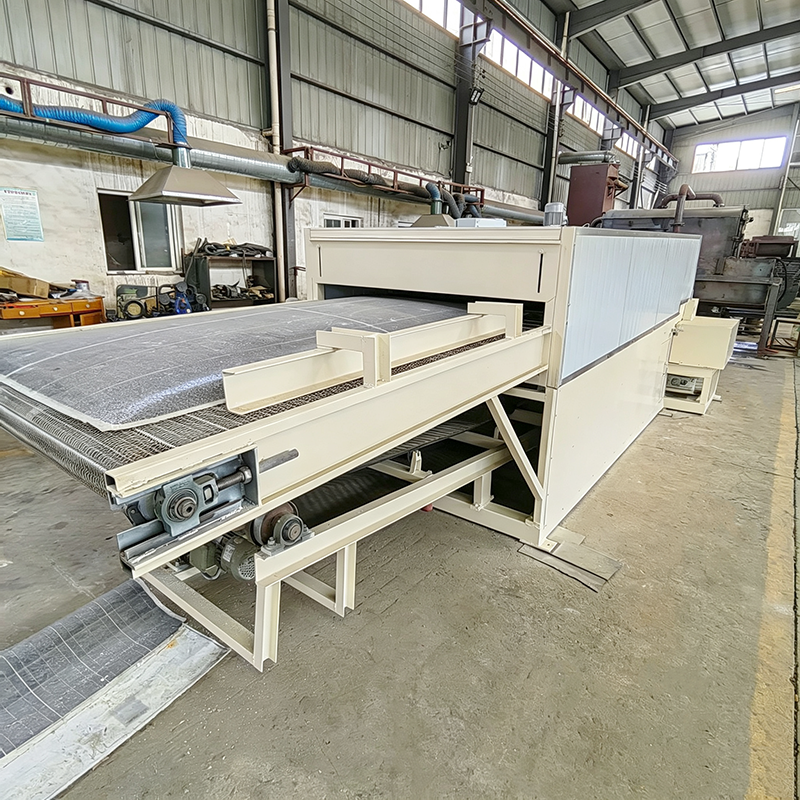
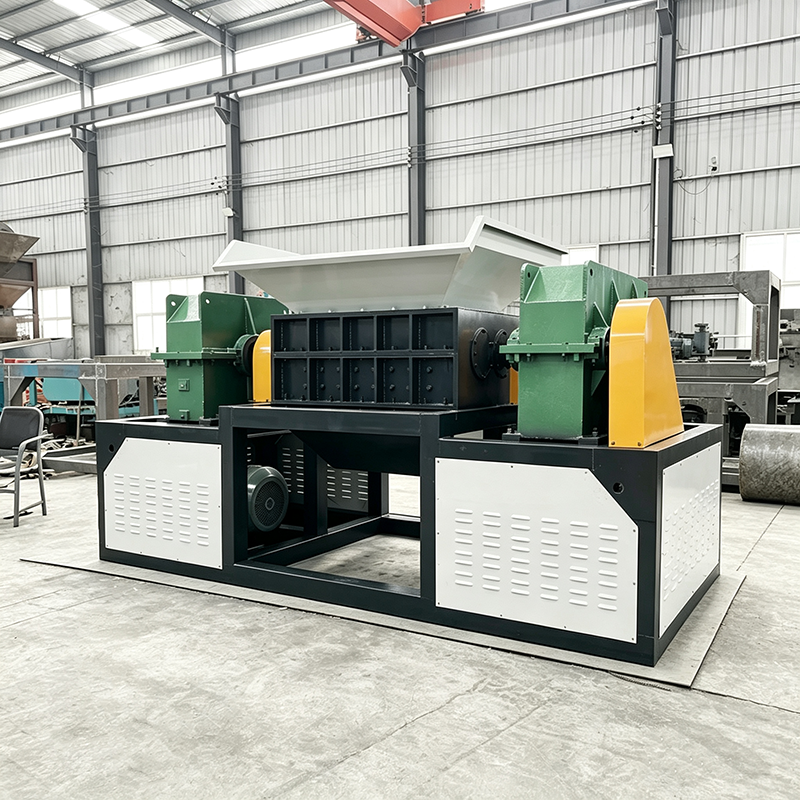
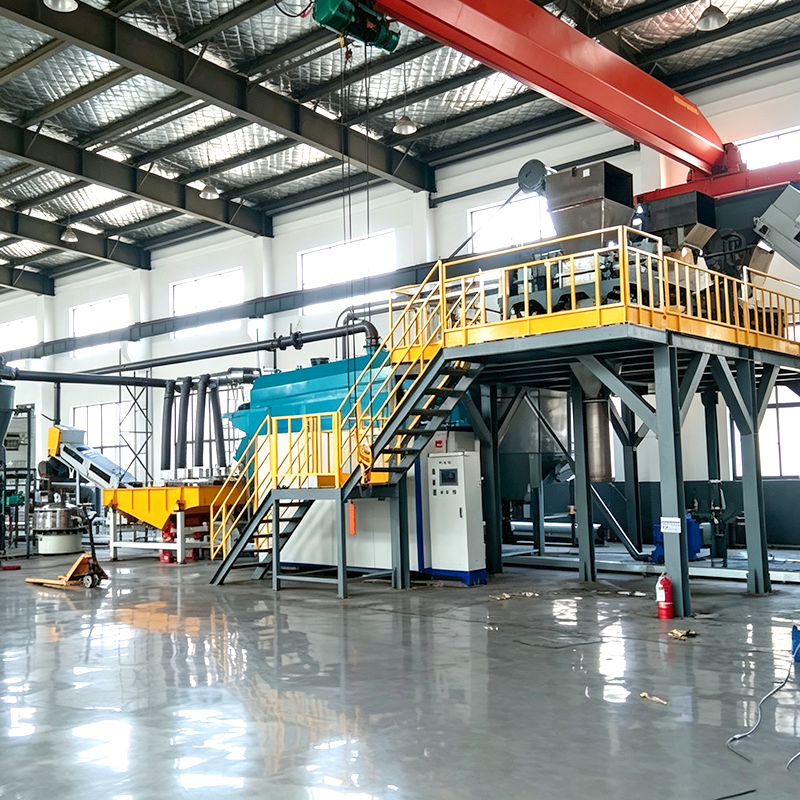
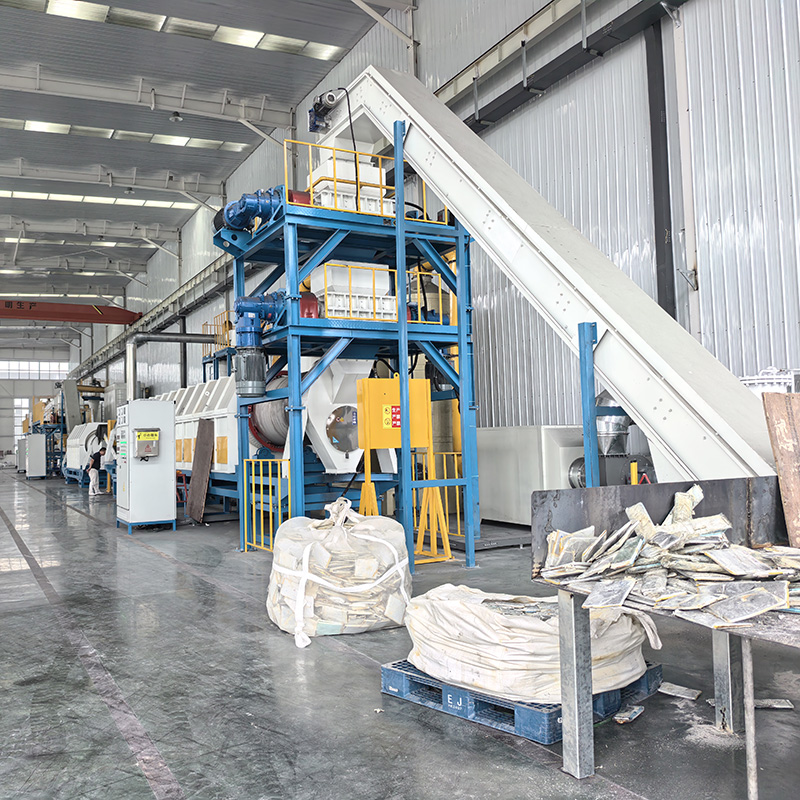
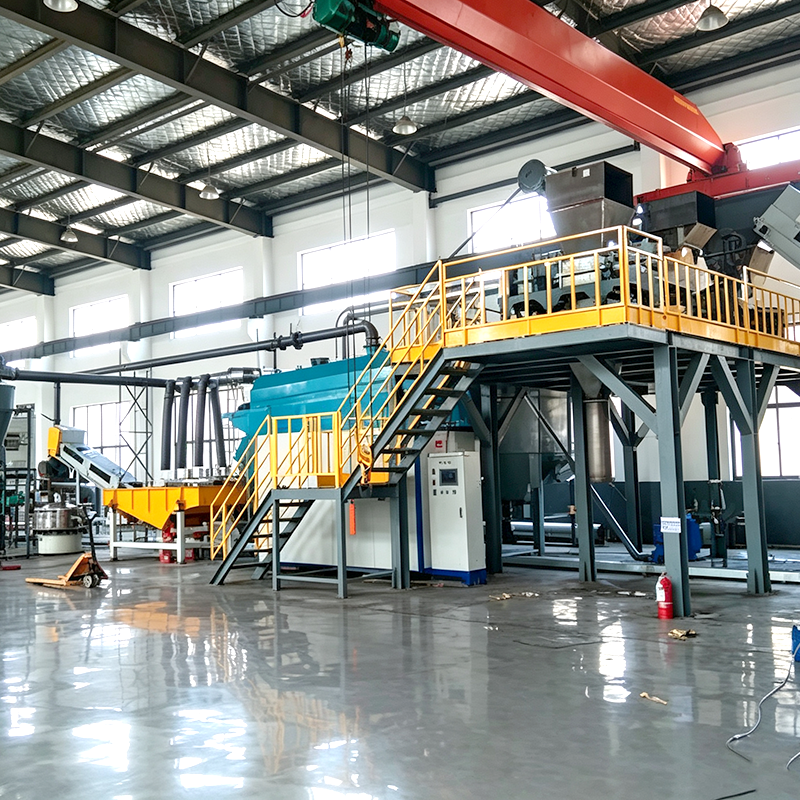
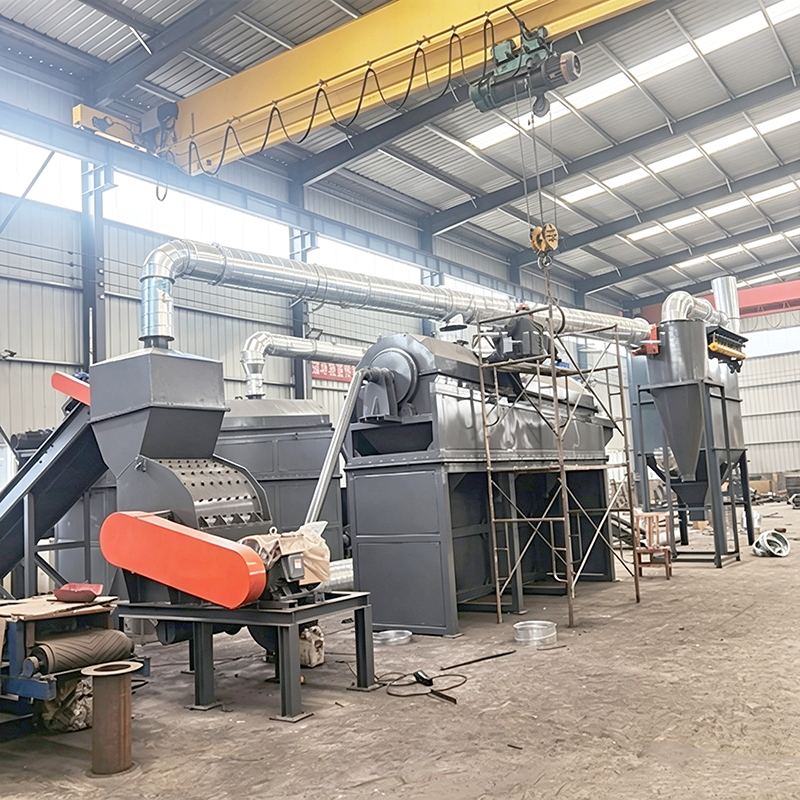
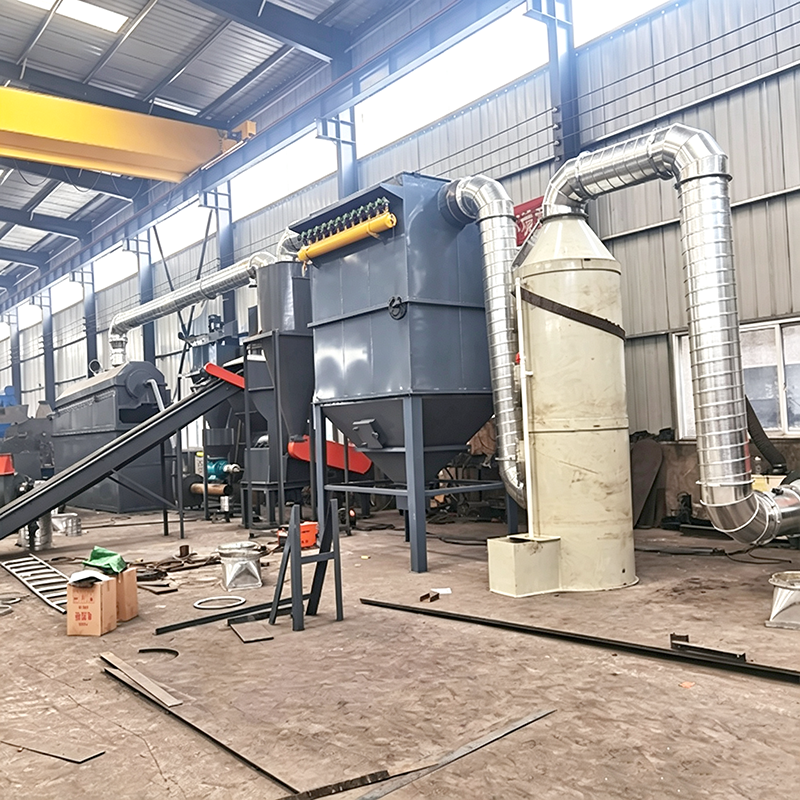
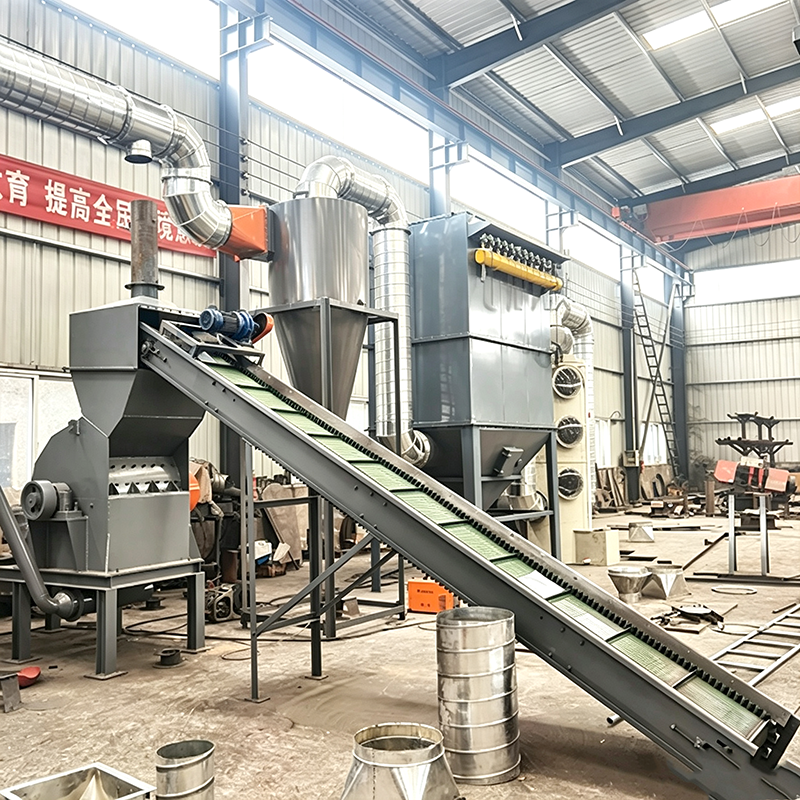
Cathode & Anode Sheet Crushing and Separation Equipment
Lithium battery recycling processing equipment, also known as lithium battery electrode sheet processing equipment. A lithium battery mainly consists of casing, cathode, anode, electrolyte and separator. For the cathode, lithium cobalt oxide powder is coated on both sides of aluminum foil current collector with PVDF as the binder. The anode has a similar structure; carbon powder is bonded to both sides of copper foil current collector.
Improper disposal of spent lithium batteries will pose potential pollution risks to the environment. On the other hand, cobalt, lithium, copper, plastics and other substances contained in spent lithium batteries are valuable resources with high recycling value. Therefore, scientific and effective treatment of spent lithium batteries brings remarkable environmental benefits as well as favorable economic benefits. At present, research on resource recovery of spent lithium batteries mainly focuses on the recycling of high-value metals cobalt and lithium from cathode and anode sheets.
Copper (accounting for approximately 35% content) in lithium battery anodes is an important and widely used industrial raw material. The carbon powder adhered to copper foil can be utilized as additives for plastics, rubber and other products. Hence, effective separation of constituent materials from spent lithium battery anodes realizes resource utilization of waste lithium batteries. The mechanical physical method requires no chemical reagents and consumes less energy, making it an eco-friendly and highly efficient approach.
Based on the structural characteristics of lithium battery anodes, a combined process of crushing, screening and air classification is adopted to conduct separation and enrichment research, so as to achieve separated recovery of copper, aluminum and carbon powder from spent lithium battery anodes.
Working Principle
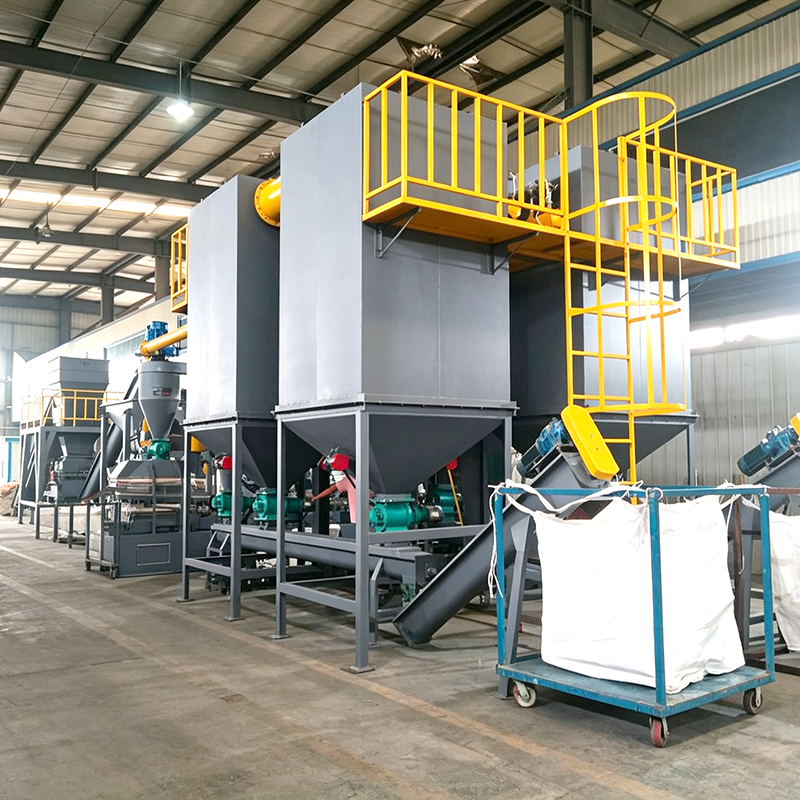
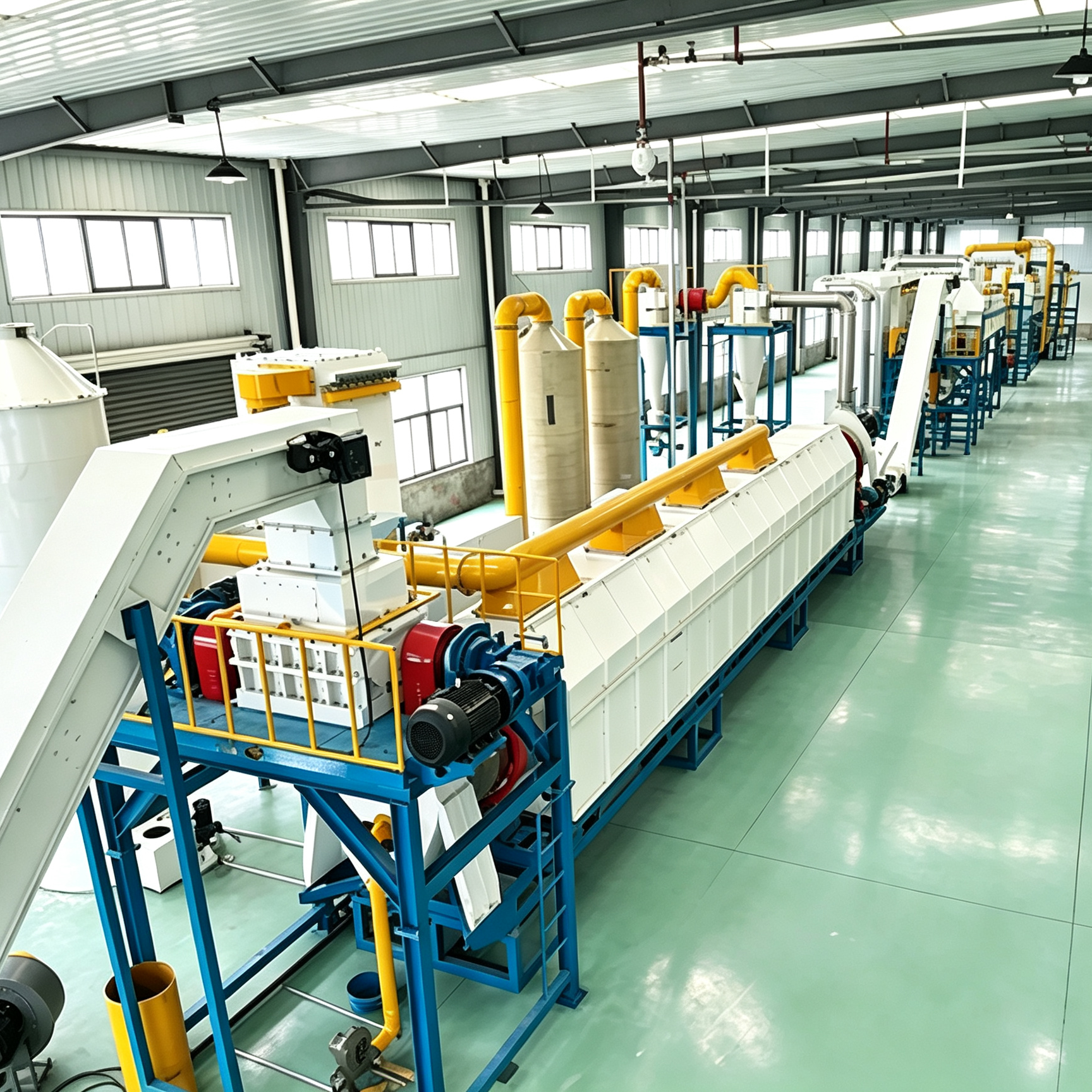
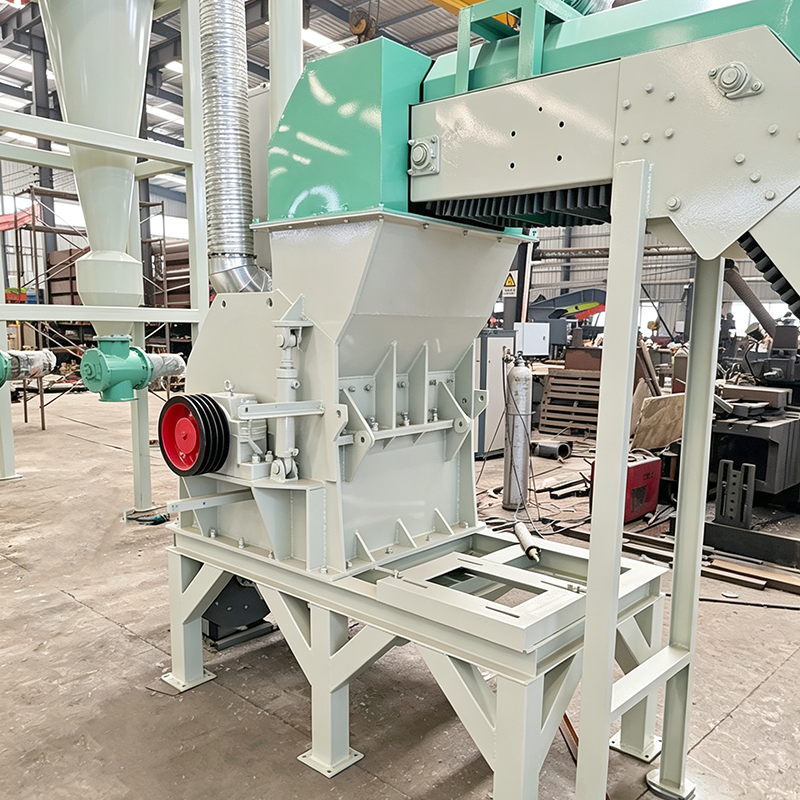
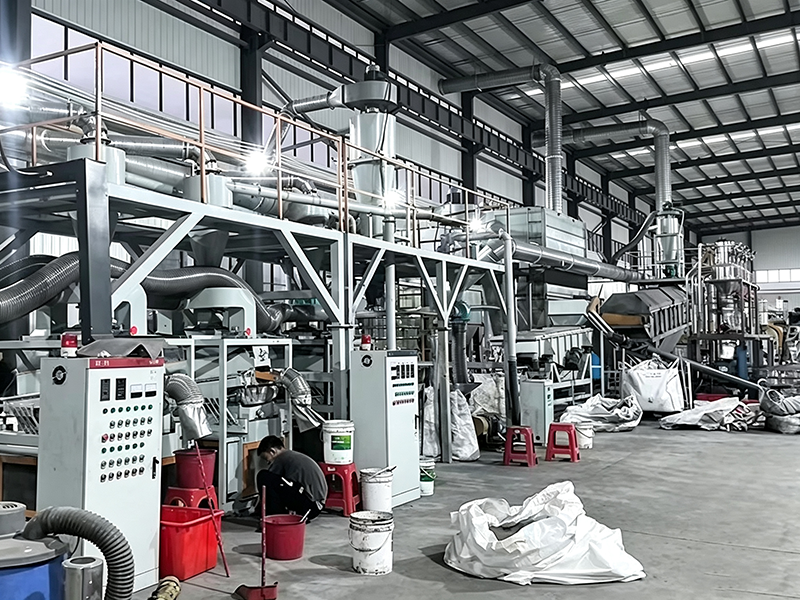
Targeting the materials of copper and carbon powder from constituent materials of lithium battery cathode and anode sheets, this equipment adopts a combined process of hammer vibration crushing, vibrating screening and air classification to separate and recover constituent materials from spent lithium battery anodes.
Indoor LED Screen Advantages
The combined process of hammer vibration crushing, vibrating screening and air classification enables resource utilization of metallic copper and carbon powder contained in spent lithium battery anode materials.
Hammer vibration crushing can effectively peel carbon powder off copper foil in anode materials. Afterwards, vibrating screening based on particle size and shape differences achieves preliminary separation of copper foil and carbon powder.
For crushed particles with a particle size of 0.125~0.250 mm and low copper grade, air classification can realize effective separation of copper and carbon powder. Favorable recycling performance can be obtained at an air flow velocity of 1.00 m/s.
This equipment is mainly applied by lithium-ion battery manufacturers to separate aluminum foil, copper foil and electrode materials from scrapped cathode and anode sheets for recycling purposes. The complete set of equipment operates under negative pressure without dust leakage, and the separation efficiency can reach over 90%.